The Proximity Problem: New Insights on Reducing PRRS Risk
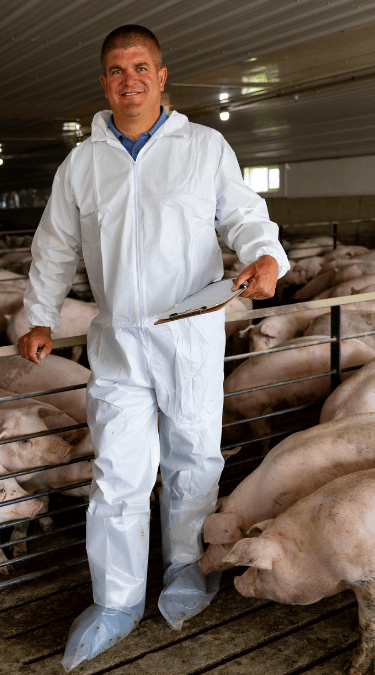
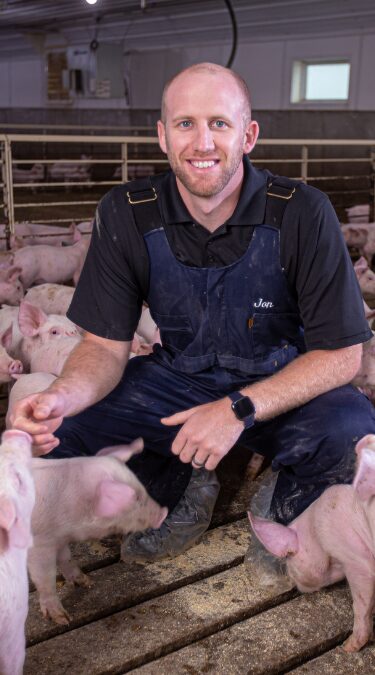
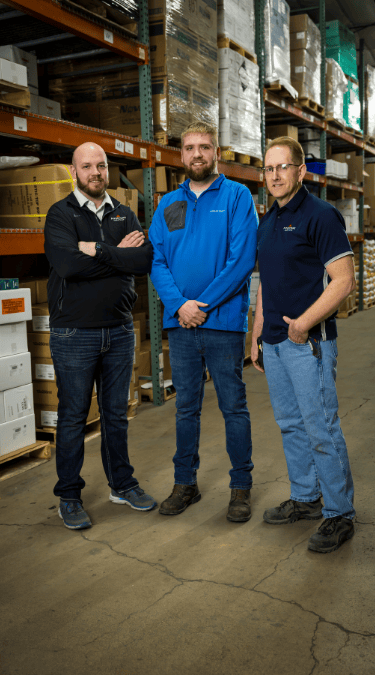
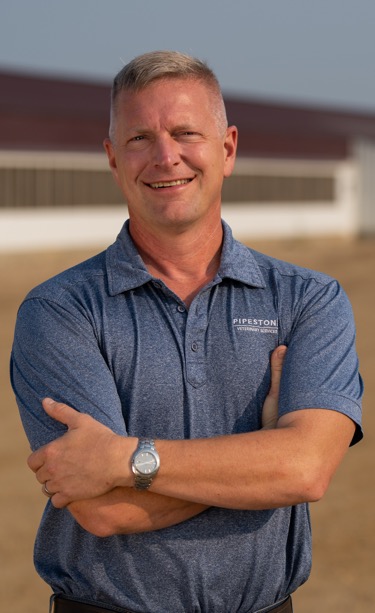
Porcine Reproductive and Respiratory Syndrome (PRRS) remains one of the most costly and challenging diseases facing the U.S. pork industry. In this episode of the SwineTime Podcast, Pipestone veterinarians Dr. Spencer Wayne, Dr. Cameron Schmitt, Dr. Joel Nerem, and Dr. Adam Schelkopf discuss new findings that reinforce a critical but often overlooked factor in PRRS prevention: sow farm location.
Drawing from data across Pipestone-managed farms, the team evaluated how many neighboring pig farms were located within a 10-mile radius of each sow farm. The results were clear: the closer sow farms are to other pigs, the more frequently they experience PRRS outbreaks. Farms located in low-density pig areas consistently had fewer breaks, while farms in high-density regions experienced repeated infections despite significant investments in biosecurity.
The discussion highlights that tools such as air filtration, feed mitigation, transportation protocols, and enhanced biosecurity remain essential. However, these interventions are additive and can be overwhelmed in areas with extremely high pig density. In many cases, location proved to be one of the strongest predictors of long-term herd health.
The swine veterinarians also explored how a relatively small number of “repeat offender” sow farms may contribute disproportionately to the spread of PRRS throughout the industry. These farms often experience recurring outbreaks, continually exposing downstream production systems to the virus through weaned pigs.
As the National Swine Health Strategy prioritizes PRRS reduction, the group suggests that relocating sow farms to lower-density areas could significantly improve herd health, animal performance, and producer profitability. Many producers have already made the move, shifting sow operations away from traditional pig-dense regions in favor of locations with lower disease pressure.
The takeaway is simple: while no farm is completely risk-free, where a sow farm is located matters more than ever. Strategic site selection, combined with strong biosecurity practices, may be one of the most effective tools available for reducing PRRS and improving the health of the national swine herd.

Cameron Schmitt, DVM

Adam Schelkopf, DVM

Joel Nerem, DVM

Spencer Wayne, DVM, PhD
About SwineTime
PIPESTONE's mission is "Helping Farmers Today Create the Farms of Tomorrow." The SwineTime podcast was created for pig farmers and individual pork producers around the country. Hosted by Dr. Wayne, the podcast contains pork industry news, advancements in animal care, and how to enhance your productivity. Podcasts are available on Pipestone.com and your favorite streaming platform.
Subscribe


Keep Listening
Episode #96 – More People Eating More Pork, More Often
Episode Details
Episode #95: Beyond the Barn Visit: The Future of Swine Veterinary Service
Episode Details
Episode #94: Good Barns Have Great Growers
Episode Details