
If you ask most pig producers what makes an operation run well, you’ll hear things like genetics, feed, or barn design. And all of that matters. But talk to enough people, and one thing keeps rising to the top: communication.
At the end of the day, pig production is a team sport. You’ve got owners, growers, vets, nutritionists, and everyone in between. Each person has their role, but the pigs depend on all of them working together. They don’t care about organization charts—they just need the right things done, at the right time. And that only happens when communication is strong.
Brandy Lanning, one of the owners of Three Lakes Livestock, works closely with a team of growers and has seen firsthand how much communication impacts success. Through building and managing those relationships, she emphasizes that strong, consistent communication is what keeps both people and pigs on track.
A big part of that is simply keeping people in the loop. When pigs are arriving, when they’re shipping, changes in feed, downtime—none of that can be a surprise. Miss communication once, and it can feel like everything starts to fall apart. Growers rely on that information to plan their day, and when they don’t have it, frustration builds fast.
Health is where communication really proves its value. Catching problems early is everything. The best growers are tuned in—they notice small changes and speak up right away. And when they do, it gives the whole team a chance to respond sooner. Sometimes that’s the difference between a bump in the road and a wreck.
But communication isn’t just top-down. It has to go both ways. As Lanning shared, “The biggest thing is communication… making sure growers reach out when they need help and don’t feel like they’re bothering us.” When growers feel heard and respected, they’re more engaged—and better outcomes follow.
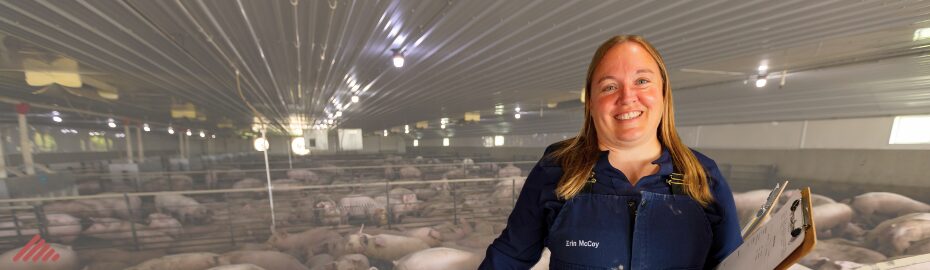
There’s also something to be said for how we communicate. Not every conversation is easy. There are times you need to push for improvement. As Pipestone Veterinary Physician Assistant Erin McCoy put it, “If we’re happy with status quo, we’re never going to get better.”
Those conversations can get a little heated, and that’s okay. It usually means people care. But texting alone can make things worse—tone gets lost, and messages can be misinterpreted. A quick phone call or face-to-face conversation brings clarity. You can explain the “why,” hear the other side, and work toward a solution together. Many times, a tough conversation ends with both sides aligned and ready to move forward.
And don’t overlook the small things. A quick thank-you or recognizing the effort it takes to treat pigs during a tough stretch goes a long way. When people know their work is seen, they’re more willing to step up when it counts.
At the end of the day, good communication helps drive one key outcome: getting every pig to full value. That means catching issues early, managing details well, and keeping everything moving efficiently. When communication is strong, pigs get the care they deserve, performance improves, and everyone wins.
Quick Communication Checklist: Questions for Your Team to Ask
• Am I keeping everyone informed—so pig movement, feed changes, and schedules aren’t a surprise?
Share updates clearly, and ask questions if something seems unclear or changes.
• Am I speaking up early when I notice an issue?
Raise concerns right away, and respond quickly when someone else brings one forward.
• Am I contributing to a two-way conversation?
Listen as much as you talk, and value input from others on the team.
• Am I picking up the phone when it really matters?
Use real conversations to bring clarity and prevent misunderstandings.
• Do I understand—and communicate—the “why” behind decisions?
Clear expectations and understanding lead to better follow-through.
• Am I recognizing effort when I see it?
A simple acknowledgment goes a long way in building trust.
• Am I communicating more when things get tough?
Stay engaged and work through challenges together instead of pulling back.